Finding Nutritional Balance Through the Holidays
Thanksgiving is a time for gathering around the table, sharing family traditions and enjoying favorite holiday dishes. For those looking to make more nutritious choices, the good news is that a balanced holiday meal doesn’t require giving up the foods that make the occasion special. A few simple ingredient swaps, nutrient-rich additions and thoughtful choices throughout the day can help families enjoy Thanksgiving while keeping their overall eating habits in balance.
One easy place to start is with familiar recipes. Olivia Thiede, Hy-Vee Corporate Registered Dietitian, recommends replacing some of the heavy cream and excess butter in traditional dishes with plain Greek yogurt. The substitution adds protein and creaminess while reducing saturated fat and works particularly well in mashed potatoes, dips and casseroles.
Other small adjustments can bring additional nutritional value to the Thanksgiving table. Leaving some potato skins on adds fiber, incorporating mushrooms, celery and onions into stuffing increases vegetable variety, and using whole-grain bread can provide additional fiber. For gravy, using low-sodium broth and fresh herbs can help reduce sodium without sacrificing flavor.
Thiede encourages families to focus on what they can add to their meals rather than simply what they should remove.
“What can we add, not subtract? Thanksgiving is a great opportunity to incorporate more colorful vegetables, fruits, and fiber-rich foods into your meal,” Thiede said.
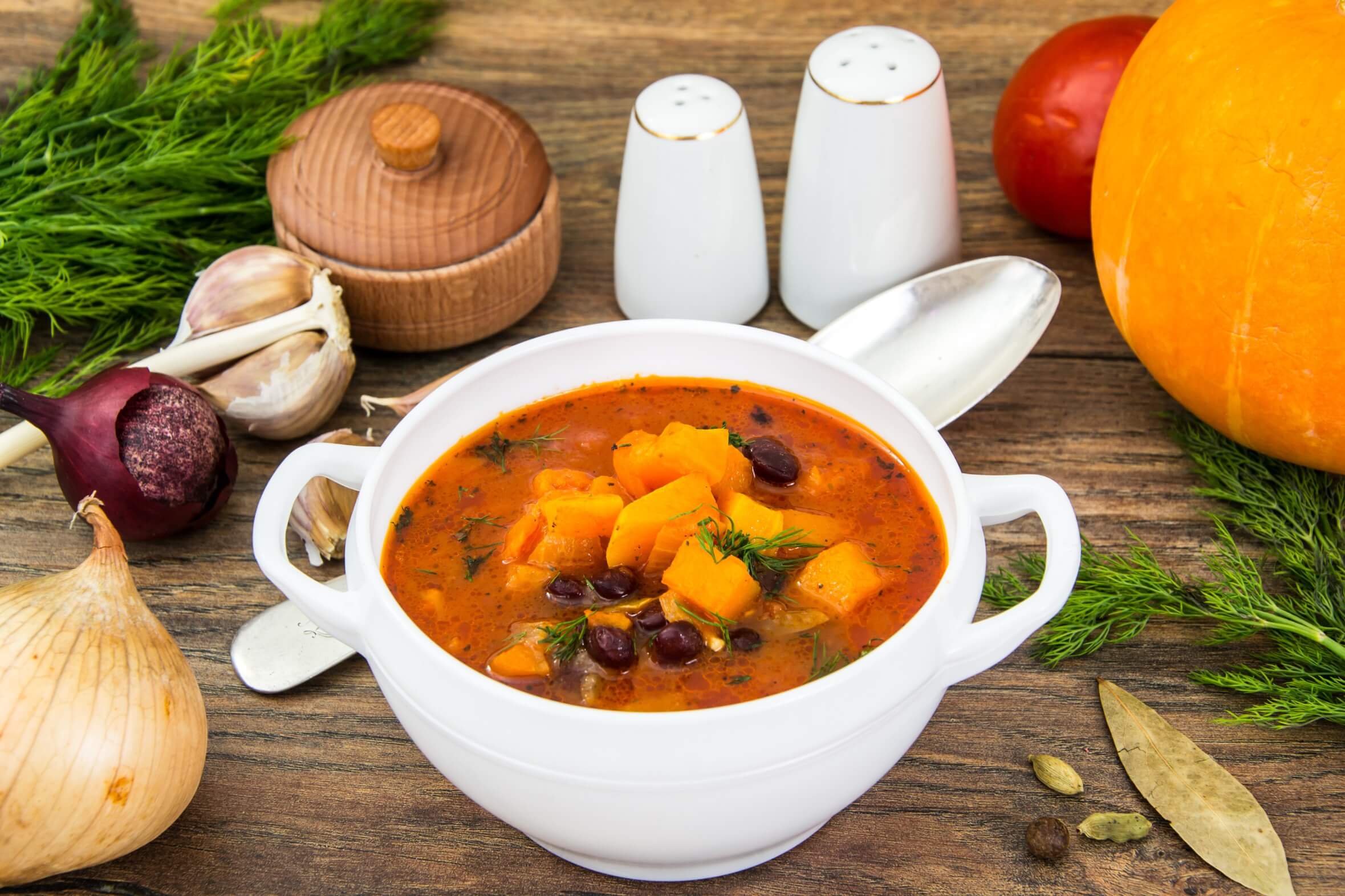
Roasted Brussels sprouts, green beans, carrots, sweet potatoes and seasonal salads are all great ways to incorporate more vegetables. Adding cranberries, apples and nuts can provide additional flavor, texture and variety. These foods contribute important vitamins, minerals and fiber while complementing traditional holiday favorites.
When building a plate, aim for a combination of vegetables, a protein source such as turkey, and carbohydrate-rich foods like potatoes, stuffing or dinner rolls. There is no need to eliminate any one category of food to enjoy a balanced meal.
Another important consideration is how people approach eating throughout the day. When a large Thanksgiving dinner, dessert and perhaps a favorite holiday drink are on the menu, it can be tempting to skip breakfast or lunch to save calories. However, arriving at dinner overly hungry can make it more difficult to recognize feelings of fullness.
“Don’t save up your calories for the big meal. It can be tempting to skip breakfast or lunch to ‘save room’ for Thanksgiving dinner, but this can leave you overly hungry and make it harder to recognize your fullness cues,” Thiede said.
Instead, prioritize balanced meals and snacks earlier in the day. A protein-rich breakfast paired with fruit or a lunch featuring lean protein, vegetables and whole grains can provide important nutrients and help keep hunger in check. The same approach can extend throughout the holiday week, making room for larger celebrations while maintaining balanced eating habits on other days.
Once it’s time to sit down for dinner, how quickly people eat can also influence how satisfied they feel. Taking time to enjoy each bite, savor favorite dishes and engage in conversation with family and friends allows people to become more mindful of their hunger and fullness cues. Thiede recommends waiting 10 to 15 minutes before going back for seconds, giving the body additional time to register fullness while enjoying time around the table.
There is also no single right way to approach a table full of holiday sides. Those who have a few must-have dishes can prioritize those favorites, while others may prefer smaller portions of several different foods. Either approach allows people to enjoy the meal without feeling obligated to eat everything or finish every item on their plate.
Beyond Thanksgiving Day, maintaining a few realistic habits can help support overall health throughout the holiday season. Regular meals, staying hydrated, getting adequate sleep and incorporating movement into the day can all make a difference. Even a 10-minute walk after a holiday meal can be a simple way to get moving, improve digestion, and spend additional time with family.
For shoppers preparing their holiday menus, planning ahead can help make nutritious choices easier. Frozen vegetables, pre-cut produce and bagged salads offer convenient shortcuts without sacrificing nutritional value. Making a shopping list before heading to the store can also help avoid duplicate purchases and unnecessary expenses. Leftover turkey and roasted vegetables can provide the foundation for sandwiches, soups, salads and easy meals in the days that follow.
Ultimately, Thanksgiving is about more than what’s on the plate. Food is also about tradition, celebration and connection. As Thiede reminds families, “One meal or one day of eating doesn’t define your overall health—your habits over time matter much more than what you eat at a single meal.”
Making room for nutritious choices while enjoying the foods and people we love is what a balanced holiday season is all about.
By Brandon Winter

Related Blogs
-
Finding Nutritional Balance Through the Holidays
Thanksgiving is a time for gathering around the table, sharing family traditions and enjoying favorite holiday dishes. For those looking…
-

Strack & Van Til Collaborates with 3 Floyd’s Brewing For a Special…
HIGHLAND, IN. – Strack & Van Til and 3 Floyds Brewing in Munster are partnering together to create a truly…
-
Let Strack & Van Til do the Thanksgiving cooking while you do…
Thanksgiving’s around the corner. Don’t let it ruffle your feathers. Make hosting hassle free with complete, fully cooked meals with…